Friday, March 30, 2018

Today's funny :o)


:o)


A sign of Spring????


Look at what is poking through last Fall's leaves!


Green!!!   Yay!!!!


Still didn't get rid of that darn rat under the coop.
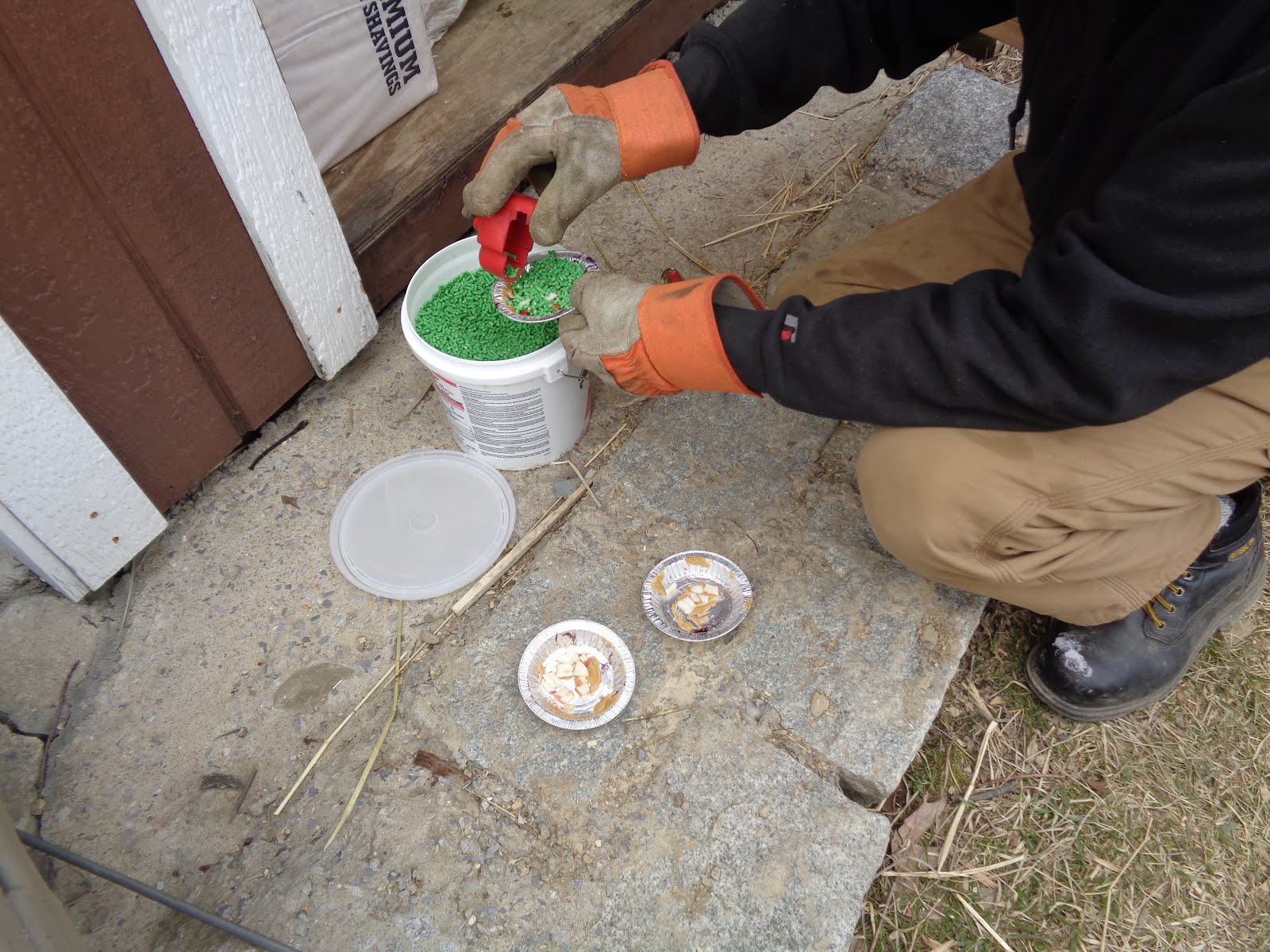
Went to TS and got this stuff - 'hope it works!


No more Rubbermaid bin to hold the bags of hay - We'll have to find something
 else to store it in. The critter kept running in there. I had to throw out a lot of hay that had rat poop on it.


Those traps are HUGE!


Hubby filling up the bait stations:


The bottoms of them are smeared with peanut butter.


The critter made a tunnel in the dirt under the coop!


The gang cannot get under there, so they are safe!

Have never seen a rat in Coopville before...


Maybe I should get a cat.....


:o)


Monday, March 26, 2018

Jellyfish Lake


Fascinating!!


Jellyfish Lake

From Wikipedia, the free encyclopedia
Jellyfish Lake
Ongeim'l Tketau
Jellyfish Lake aerial (March 2008).jpg
Aerial view, looking west
Location Eil Malk, Rock Islands, Palau
Coordinates 7°09′40″N 134°22′34″ECoordinates: 7°09′40″N 134°22′34″E
Type Meromictic
Basin countries Palau

Max. length 460 m (1,510 ft)
Max. width 160 m (520 ft)
Surface area 5.7 ha (14 acres)
Average depth 30 m (100 ft)
Water volume 1.71 million m3 (60 million cu ft)
Surface elevation Sea level

Frozen Never
Islands None
Jellyfish Lake (Palauan: Ongeim'l Tketau, "Fifth Lake") is a marine lake located on Eil Malk island in Palau. Eil Malk is part of the Rock Islands, a group of small, rocky, mostly uninhabited islands in Palau's Southern Lagoon, between Koror and Peleliu. There are about 70 other marine lakes located throughout the Rock Islands. Millions of golden jellyfish migrate horizontally across the lake daily.
Jellyfish Lake is connected to the ocean through fissures and tunnels in the limestone of an ancient Miocene reef. However the lake is sufficiently isolated and the conditions are different enough that the diversity of species in the lake is greatly reduced from the nearby lagoon. The golden jellyfish, Mastigias cf. papua etpisoni, and possibly other species in the lake have evolved to be substantially different from their close relatives living in the nearby lagoons.


Learn about Palau here:

ttps://en.wikipedia.org/wiki/Palau

Who knew?

:o)


Today's funny :o)


:o)